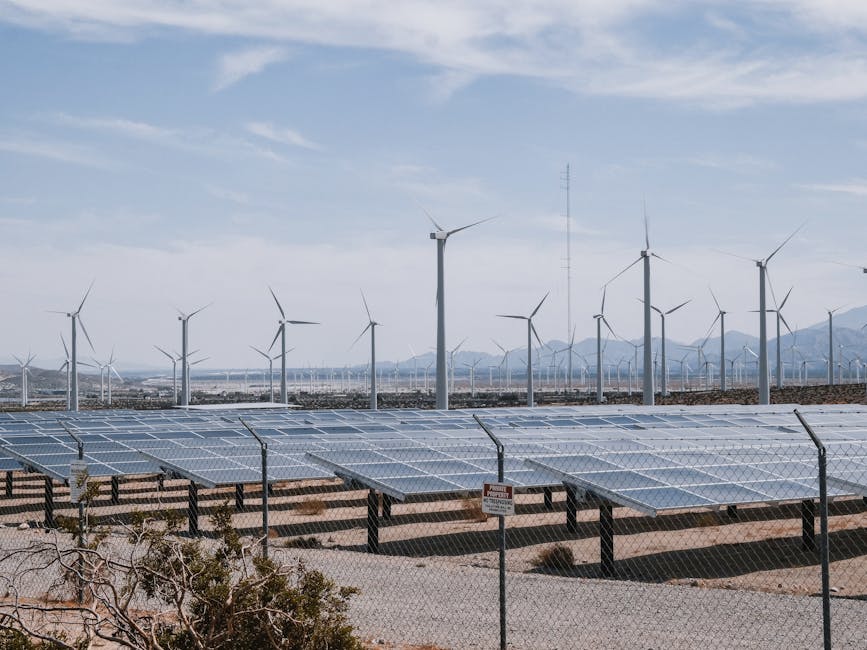
For the first time in history, wind and solar power generated more electricity than gas on a global scale. According to energy think tank Ember, renewable sources produced 531 TWh in April 2026, while gas-fired plants managed just 477 TWh — a gap that would have seemed unthinkable just a few years ago.
The contrast with April 2021 is striking. Back then, gas output was nearly double the combined total from wind and solar. In just five years, renewables have closed that gap entirely and pushed ahead. Analysts credit sustained investment and rapid capacity expansion for making this milestone possible.
The timing is significant. April 2026 was the first full month of a new energy crisis triggered by conflict in the Middle East — exactly the kind of moment that has historically driven countries toward fossil fuels. Instead, the crisis seems to be accelerating the shift away from imported gas, particularly for countries dependent on expensive LNG shipments.
Experts are careful to note that April is the most favourable month for renewables in the Northern Hemisphere, with strong winds, rising solar output, and relatively low demand between heating and cooling seasons. Wind and solar have not yet surpassed gas on an annual basis. But the direction of travel is clear, and for many governments, the economic and security arguments for domestic renewable energy have never been stronger.