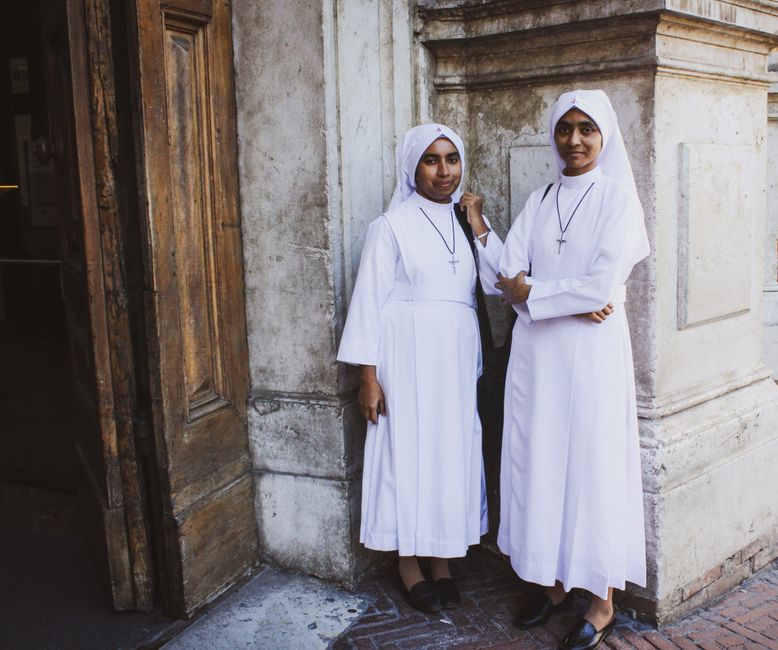
Catholic nuns are having a social media moment. From viral TikToks to podcasts, women religious are sharing their daily lives, their faith, and what makes their vocation feel meaningful. French Sister Albertine Debacker has hundreds of thousands of followers online, while Australia's Immaculata Community posts cheerful Instagram content showing sisters praying, laughing, and playing sports. The message is clear: religious life is an adventure, not a sacrifice.
But behind these upbeat self-representations lies a far more complicated history. When Catholic sisters first arrived in Australia in the 19th century, religious life gave them a level of independence and security many other women didn't have. At a time when marriage was virtually the only path available, joining a religious community meant access to education, leadership roles, and meaningful work in schools and hospitals — all guaranteed for life.
Yet freedom and control have always existed in tension. Women religious live under the authority of male church leaders and take vows of obedience, chastity, and poverty. Australia's first saint, Mary MacKillop, experienced this tension sharply. Her hope for self-governance for her sisters and attempts to stop clergy abuse placed her at odds with church leaders, and she was eventually excommunicated — though later reinstated.
The Sisters of Charity, who arrived in Sydney in 1838 and were initially praised for their work with prisoners, had all left New South Wales by 1859. The archbishop who once called their work "miraculous" later described them as having been "a trouble" from the start. Today's social media glow is inspiring — but this history reminds us that empowerment within institutional structures is rarely straightforward.